


Mircea the Elder of Wallachia
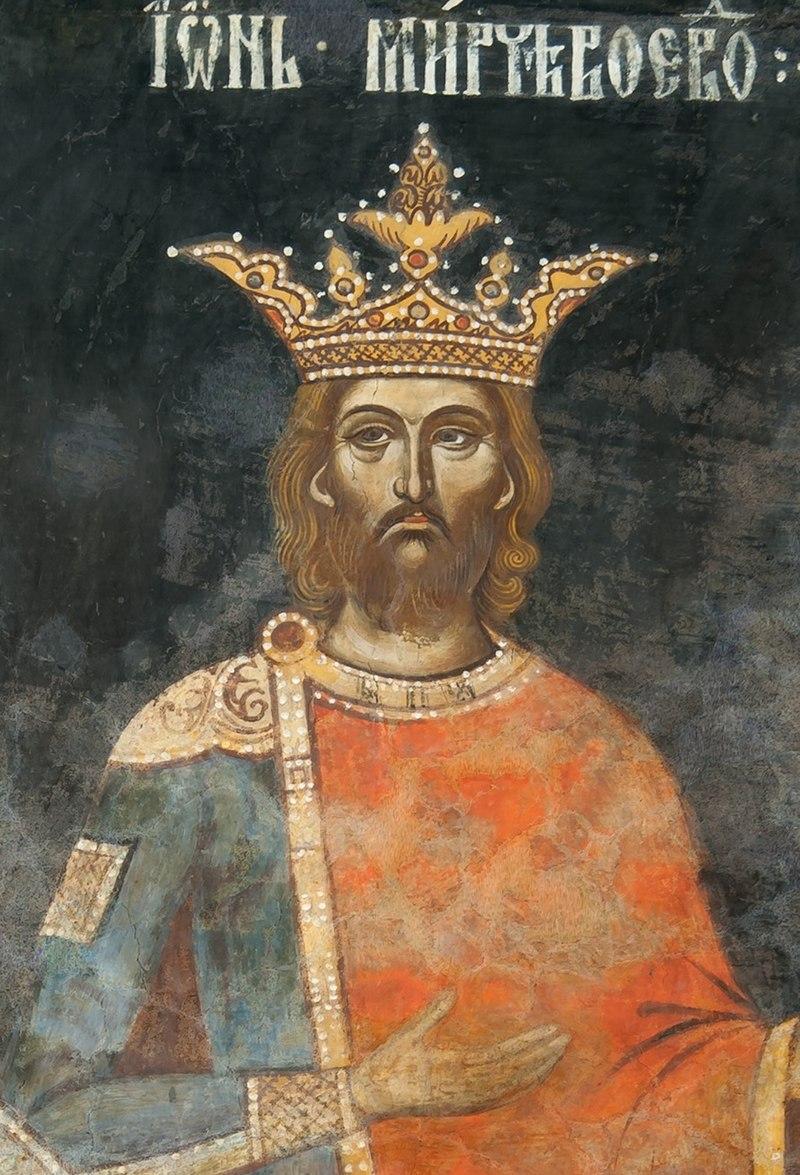
Mircea the Elder, known in Romanian as Mircea cel Bătrân, ruled Wallachia from 1386 to 1418. His reign marked a significant period in the medieval history of Romania, characterised by administrative reforms, military campaigns, and efforts to preserve the autonomy of his principality in the face of growing Ottoman influence. Born around 1355, Mircea was the son of Radu I of Wallachia. Little is documented about his early years, but his ascent to the throne followed the lineage of his family's rule. In 1386, he became the Voivode (ruler) of Wallachia, succeeding his brother Dan I. His immediate focus was on consolidating power internally and securing his borders against external threats. Mircea implemented a series of reforms aimed at strengthening the state's infrastructure. He reorganised the administrative divisions, appointing reliable local leaders to govern various regions. This decentralisation allowed for more efficient governance and better tax collection. Economically, Mircea recognised the importance of trade and agriculture. He fostered relationships with neighbouring states, opening trade routes that benefited Wallachia's economy. The Danube River, in particular, became a crucial artery for commerce.
The late 14th and early 15th centuries were periods of Ottoman expansion into the Balkans. Mircea understood the looming threat and took proactive measures to defend his principality. In 1394, he faced the Ottoman Sultan Bayezid I in the Battle of Rovine. While the exact details of the battle are debated, it is generally accepted that Mircea's forces successfully halted the Ottoman advance, at least temporarily. His military tactics often involved guerrilla warfare, taking advantage of Wallachia's dense forests and difficult terrain. These strategies disrupted the larger Ottoman forces and prevented them from establishing a strong foothold in the region. Beyond military resistance, Mircea engaged in diplomacy to secure Wallachia's position. He formed alliances with neighbouring countries, including Hungary and Poland. In 1395, he signed a treaty with King Sigismund of Hungary, recognising Hungarian suzerainty in exchange for military support against the Ottomans. These alliances were not always stable, as regional politics were complex and ever-changing. However, Mircea's diplomatic efforts showcased his commitment to protecting Wallachia's sovereignty through both negotiation and force when necessary. Mircea was also attentive to cultural and religious matters. He supported the Orthodox Church, commissioning the construction and renovation of monasteries and churches. These institutions not only served religious purposes but also acted as centres for education and cultural preservation. One notable example is the Cozia Monastery, built under his patronage. The monastery remains an important architectural and historical site, reflecting the artistic styles and religious practices of the era.
Mircea the Elder's reign is often regarded as a golden age in Wallachian history. His efforts to strengthen the state internally while resisting external threats laid the groundwork for future leaders. He managed to maintain a degree of independence for Wallachia during a time when many neighbouring regions fell under Ottoman control. His death in 1418 marked the end of a significant chapter in the region's history. Subsequent rulers faced renewed challenges from the Ottomans, but the foundations established by Mircea provided a model for governance and resistance. Mircea the Elder stands out as a pivotal figure in medieval Eastern Europe. His blend of military acumen, diplomatic skill, and commitment to internal development allowed Wallachia to navigate a tumultuous period successfully. The artefacts from his reign, including coins and architectural works, continue to offer valuable insights into the history and culture of the time.
An interesting artefact from his reign is the Wallachian dinar, a coin that symbolises the economic activities of the period. Collectors and historians might find examples of these coins, such as this dinar attributed to Mircea the Elder, which offers insights into the craftsmanship and economic practices of the time.